1-855-452-6224 (Customer Support Available 24/7)


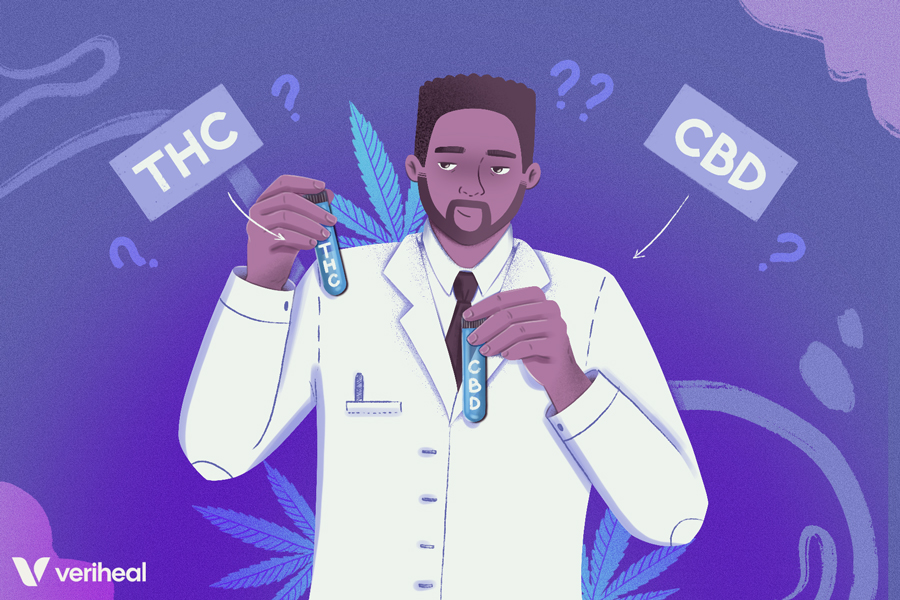
The best CBD to THC ratio depends on your specific needs, tolerance level, and desired effects. Most beginners should start with higher CBD ratios like 10:1 or 5:1, while experienced users seeking stronger effects may prefer balanced 1:1 ratios or THC-dominant options.
Finding the right balance between these two primary cannabinoids can transform your cannabis experience. CBD typically provides calming, anti-inflammatory effects without intoxication, while THC delivers the psychoactive high along with pain relief and appetite stimulation.
This guide breaks down the most effective ratios for different conditions, consumption methods, and experience levels to help you make informed decisions about your cannabis use.
CBD to THC ratios tell you how much cannabidiol (CBD) compared to tetrahydrocannabinol (THC) you’ll find in a single dose. These numbers represent the relationship between the two compounds, not the total amount in the product.
A 5:1 ratio means you get five parts CBD for every one part THC. If a product contains 10mg of THC, it would have 50mg of CBD in the same dose. The higher the first number, the more CBD dominates the effects.
Ratios express the proportion of CBD to THC using simple numbers separated by a colon. The first number represents CBD, while the second represents THC. A 1:1 ratio contains equal amounts of both cannabinoids, creating balanced effects.
CBD modulates THC’s psychoactive effects through what researchers call the “entourage effect.” Higher CBD ratios typically produce less intoxication, reduced anxiety, and longer-lasting therapeutic benefits. THC-dominant ratios create stronger euphoric effects but may increase anxiety in sensitive users.
Cannabis products display ratios alongside total cannabinoid content. A product labeled “20:1 CBD:THC, 100mg total” contains roughly 95mg CBD and 5mg THC. Always check both the ratio and the actual milligram amounts to understand your dose.
| Ratio | CBD Amount | THC Amount | Primary Effects |
| 1:1 | Equal | Equal | Balanced euphoria and relaxation |
| 5:1 | 5x more CBD | Standard THC | Mild relaxation, minimal high |
| 10:1 | 10x more CBD | Low THC | Therapeutic effects, very mild psychoactivity |
| 20:1 | 20x more CBD | Minimal THC | Pure therapeutic benefits, no high |
New cannabis users should prioritize CBD-dominant ratios to minimize unwanted psychoactive effects while exploring therapeutic benefits. Starting with higher CBD content helps you understand how cannabinoids affect your body without overwhelming experiences.
Most cannabis newcomers benefit from ratios between 10:1 and 20:1 CBD to THC. These provide noticeable therapeutic effects like reduced anxiety and improved sleep without significant intoxication.
Begin with 20:1 or 10:1 ratios if you’ve never used cannabis or have low tolerance to psychoactive substances. These ratios deliver CBD’s anti-inflammatory and calming properties while keeping THC effects minimal and manageable.
Consider 5:1 ratios once you’re comfortable with lower THC amounts and want slightly more noticeable effects. This ratio bridges pure therapeutic use and mild recreational benefits without overwhelming intensity.
20:1 ratios produce subtle relaxation and stress relief with no noticeable euphoria or altered perception. You’ll maintain complete mental clarity while experiencing reduced anxiety and physical tension.
10:1 ratios add mild mood elevation and enhanced focus alongside therapeutic benefits. Some users report gentle body relaxation and improved creativity without feeling “stoned” or impaired.
5:1 ratios create light euphoria, increased sociability, and more pronounced relaxation. Effects remain manageable for most activities, though you may notice slight changes in perception and reaction time.
Start with the lowest possible dose and wait at least two hours before taking more, especially with edibles. Begin with 2.5mg THC or less in your chosen ratio and increase gradually over multiple sessions.
Choose consumption methods with predictable onset times when learning your tolerance. Tinctures and vaporizers offer more control than edibles, which can produce delayed and longer-lasting effects.
| Beginner Ratio | Recommended Starting Dose | Expected Timeline | Best For |
| 20:1 | 2.5mg THC, 50mg CBD | 30-60 minutes onset | Pure therapeutic benefits |
| 10:1 | 2.5mg THC, 25mg CBD | 30-60 minutes onset | Mild relaxation with clarity |
| 5:1 | 2.5mg THC, 12.5mg CBD | 30-90 minutes onset | Gentle introduction to euphoria |
Selecting your ideal ratio requires evaluating your tolerance level, therapeutic goals, and legal considerations in your area. Your personal endocannabinoid system responds uniquely to different cannabinoid combinations.
Consider your cannabis experience, desired effects intensity, and how the product fits into your daily routine. Medical patients often prioritize symptom relief over recreational effects, while others seek balanced experiences.
Follow this step-by-step approach to find your optimal ratio:
Start conservatively and adjust based on your experience over several sessions. Most people find their sweet spot within 2-3 different ratios depending on the situation and time of day.
Pain management often requires balanced cannabinoid ratios that combine CBD’s anti-inflammatory properties with THC’s analgesic effects. Different pain types respond better to specific ratio ranges based on underlying mechanisms and severity.
THC activates CB1 receptors in your brain and nervous system, directly reducing pain signals, while CBD works through multiple pathways to address inflammation and nerve sensitivity. The combination typically provides more comprehensive relief than either compound alone.
Recent injuries, surgical recovery, and sudden pain flares often respond well to 1:1 or 2:1 CBD:THC ratios. These balanced combinations provide rapid relief through THC’s direct analgesic effects while CBD reduces associated inflammation and anxiety.
Start with lower doses during acute pain episodes since stress and discomfort can heighten THC sensitivity. Consider consumption methods with faster onset times like vaporizers or tinctures for immediate relief needs.
Long-term pain conditions including arthritis, fibromyalgia, and neuropathy typically benefit from 3:1 to 5:1 CBD:THC ratios. These provide sustained therapeutic effects with manageable psychoactivity for daily use.
Higher CBD content addresses the inflammatory component common in chronic pain while moderate THC levels maintain analgesic benefits. This ratio range allows for consistent dosing throughout the day without significant impairment.
Conditions like rheumatoid arthritis, inflammatory bowel disease, and autoimmune-related pain respond particularly well to CBD-dominant ratios between 5:1 and 10:1. CBD’s potent anti-inflammatory effects target the root cause while minimal THC provides complementary pain relief.
These ratios work especially well when using cannabis for pain relief, especially in conditions where inflammation drives discomfort rather than direct nerve damage.
Key considerations for pain management: start with 5:1 ratios and adjust based on pain severity and THC tolerance, higher ratios work better for inflammatory pain while balanced ratios suit nerve-related discomfort, and consider timing – balanced ratios for evening use, CBD-dominant for daytime relief.
Anxiety management typically requires CBD-dominant ratios since THC can increase anxiety in sensitive individuals or at higher doses. Most people with anxiety disorders find relief with ratios between 10:1 and 20:1 CBD to THC.
Research suggests that CBD provides anxiolytic effects by interacting with serotonin receptors and GABA neurotransmitter systems. Small amounts of THC can enhance these effects in some users, but excessive THC often worsens anxiety symptoms.
Social anxiety, generalized anxiety disorder, and panic disorders respond particularly well to high-CBD ratios that minimize psychoactive effects while delivering therapeutic benefits. Many users report feeling calmer and more focused without the mental cloudiness associated with higher THC content.
Start with 20:1 ratios if you’re prone to THC-induced anxiety or have never used cannabis for anxiety management. These provide maximum therapeutic benefit with minimal risk of increased nervousness or paranoid thoughts.
Consider 10:1 ratios once you’ve established tolerance and want slightly enhanced relaxation effects. Some users find that trace amounts of THC improve CBD’s anti-anxiety properties without triggering unwanted psychological effects.
Depression treatment often benefits from slightly more balanced ratios compared to anxiety management, typically ranging from 5:1 to 10:1 CBD to THC. The mild mood elevation from moderate THC content can complement CBD’s stabilizing effects on mood and sleep patterns.
CBD influences serotonin signaling and promotes neuroplasticity, while small amounts of THC may help with motivation and social engagement in some individuals. However, responses vary significantly, and some people with depression experience worsened symptoms from THC.
Research suggests that CBD may help regulate mood through its effects on the endocannabinoid system and stress response. The addition of controlled THC amounts can provide gentle euphoria and increased appetite, which often decrease during depressive episodes.
Start with 10:1 ratios to assess how your depression symptoms respond to predominantly CBD effects with minimal psychoactivity. Monitor your mood, sleep quality, and energy levels over several weeks before adjusting the ratio.
Consider 5:1 ratios if initial results are positive and you want enhanced mood elevation. This ratio provides more noticeable psychological effects while maintaining CBD’s therapeutic dominance for emotional stability.
Sleep improvement often requires balanced ratios between 2:1 and 5:1 CBD to THC, as moderate THC content promotes sedation while CBD addresses anxiety and pain that interfere with rest. Evening dosing works best since THC’s psychoactive effects support natural sleep onset.
THC directly promotes sleepiness by binding to CB1 receptors in brain regions controlling circadian rhythms, while CBD helps regulate sleep cycles and reduces racing thoughts that prevent falling asleep. The combination addresses multiple sleep disruption mechanisms.
Different sleep issues respond to different ratio approaches. Difficulty falling asleep often benefits from slightly higher THC content, while frequent nighttime awakening may respond better to CBD-dominant ratios that promote deeper, more sustained rest.
Consider 3:1 CBD:THC ratios for general insomnia with mixed falling-asleep and staying-asleep difficulties. This provides sufficient sedating effects from THC while CBD’s longer duration maintains sleep throughout the night.
Use 2:1 ratios if you need stronger sedation for severe insomnia or when pain significantly disrupts sleep. The increased THC content delivers more pronounced drowsiness, though you may experience mild morning grogginess.
Try 5:1 ratios if anxiety primarily causes your sleep issues rather than physical discomfort or overstimulation. Higher CBD content addresses worry and racing thoughts while minimal THC provides gentle sleep promotion.
Healthcare providers approach CBD:THC ratio selection based on specific medical conditions, patient tolerance, and therapeutic goals rather than recreational preferences. Medical recommendations typically prioritize symptom relief with minimal psychoactive interference in daily activities.
Doctors often start patients with high-CBD ratios between 10:1 and 20:1 to establish therapeutic baselines before introducing higher THC content. This approach minimizes adverse effects while allowing patients to experience CBD’s benefits and understand their individual responses.
Medical cannabis programs frequently focus on condition-specific ratio protocols developed through clinical experience and patient outcomes. Epilepsy treatment typically uses very high CBD ratios, while cancer patients may require balanced ratios for appetite and pain management.
The medical model emphasizes consistent dosing schedules and gradual titration under professional supervision. Patients work with healthcare providers to adjust ratios based on symptom tracking and treatment response over time rather than experimenting independently.
Healthcare providers typically recommend these ratio ranges for common qualifying conditions:
Medical supervision ensures proper ratio selection, dosing protocols, and monitoring for drug interactions or contraindications with other treatments.
Different consumption methods alter how your body processes CBD and THC, affecting the optimal ratio for your desired effects. Bioavailability, onset time, and duration vary significantly between methods, requiring ratio adjustments for consistent results.
Edibles process through your digestive system and liver, converting THC into 11-hydroxy-THC, a more potent metabolite. This means edible ratios feel stronger and last longer than the same ratio in other forms, often requiring more CBD-dominant choices.
Vaporizing and smoking deliver cannabinoids directly to your bloodstream through lung absorption, providing faster onset but shorter duration. These methods allow for more THC-forward ratios since effects are immediate and controllable.
Tinctures offer middle-ground bioavailability with sublingual absorption providing faster onset than edibles but longer duration than inhalation. Most ratio recommendations translate directly to tincture use without major adjustments.
| Method | Onset Time | Duration | Ratio Considerations |
| Edibles | 30-120 minutes | 4-8 hours | Use more CBD-dominant ratios due to potent liver metabolism |
| Vaporizers | 2-15 minutes | 1-3 hours | Standard ratios work well with easy dose control |
| Tinctures | 15-45 minutes | 2-6 hours | Direct ratio translation with predictable effects |
| Topicals | 15-30 minutes | 2-4 hours | Higher THC ratios acceptable for localized effects |
When purchasing ratio products at a dispensary, look for options that clearly display total milligram amounts alongside the ratio. Many brands offer their ratios in natural, organic formulations, particularly in tinctures and gummies, which come in a wide range of flavors. Gummies are among the most popular delivery formats for ratio-specific dosing because each piece contains a fixed, measurable amount of both cannabinoids.
Edible users should start with ratios at least one step more CBD-dominant than their inhalation preference. If you prefer 5:1 ratios when vaping, try 10:1 ratios in edible form to account for increased potency and duration.
Understanding how food affects cannabis metabolism helps explain why the same ratio produces different effects across consumption methods and guides appropriate dosing adjustments.
Ready to explore medical cannabis ratios with professional guidance? Find a qualified doctor who can help develop a personalized treatment plan based on your specific conditions and health goals.
Note: The content on this page is for informational purposes only and is not intended to be professional medical advice. Do not attempt to self-diagnose or prescribe treatment based on the information provided. Always consult a physician before making any decision on the treatment of a medical condition.
Note: Veriheal does not support illegally consuming therapeutic substances such as cannabis but acknowledges that it transpires because of the current illicit status, which we strive to change by advocating for research, legal access, and responsible consumption. Always consult a physician before attempting alternative therapies.
A 5:1 ratio means five parts CBD for every one part THC, making it CBD-dominant with therapeutic effects and minimal psychoactivity.
Beginners should start with 10:1 or 20:1 ratios to experience CBD’s benefits with minimal THC effects. These ratios provide therapeutic benefits without significant intoxication.
Yes, you can combine products with different ratios to customize your experience, though it’s easier to predict effects using single-ratio products until you understand your tolerance.
Any product containing THC, regardless of ratio, can potentially cause positive drug test results. CBD-only products with less than 0.3% THC pose minimal risk but aren’t guaranteed to avoid detection.
Onset time depends on consumption method rather than ratio. Vaping works in minutes, tinctures in 15-45 minutes, and edibles in 30-120 minutes regardless of CBD:THC balance.
Many people prefer CBD-dominant ratios during the day for functionality and more balanced ratios in the evening for relaxation and sleep.
Ratios can go as high as 50:1 or 100:1 CBD to THC, though 20:1 ratios provide maximum therapeutic benefits for most users without needing extremely high CBD concentrations.
Sign up for our newsletter

Learn the process in your state
All Rights Reserved Veriheal Inc. ©
Terms Privacy Policy Advertising Agreement Content Disclamer


Get your medical marijuana card today
Sign up in under 5 minutes
Start By Selecting Your State
 Alabama
Alaska
Arizona
Arkansas
California
Colorado
Connecticut
Delaware
Florida
Georgia
Hawaii
Idaho
Illinois
Indiana
Iowa
Kansas
Kentucky
Louisiana
Maine
Maryland
Massachusetts
Michigan
Minnesota
Mississippi
Missouri
Montana
Nebraska
Nevada
New Hampshire
New Jersey
New Mexico
New York
North Carolina
North Dakota
Ohio
Oklahoma
Oregon
Pennsylvania
Rhode Island
South Carolina
South Dakota
Tennessee
Texas
Utah
Vermont
Virginia
Washington
West Virginia
Wisconsin
Wyoming
Puerto Rico
Alabama
Alaska
Arizona
Arkansas
California
Colorado
Connecticut
Delaware
Florida
Georgia
Hawaii
Idaho
Illinois
Indiana
Iowa
Kansas
Kentucky
Louisiana
Maine
Maryland
Massachusetts
Michigan
Minnesota
Mississippi
Missouri
Montana
Nebraska
Nevada
New Hampshire
New Jersey
New Mexico
New York
North Carolina
North Dakota
Ohio
Oklahoma
Oregon
Pennsylvania
Rhode Island
South Carolina
South Dakota
Tennessee
Texas
Utah
Vermont
Virginia
Washington
West Virginia
Wisconsin
Wyoming
Puerto Rico